The phrase “viscose silk” describes a regenerated cellulose fibre, not natural silk, so the product name alone cannot tell you how a carpet will perform. By checking the fibre content, construction, finish, lighting response, cleaning limits and installation terms, you can decide whether a sample suits your room before approving an order.
Key takeaways
- Ask for the exact percentage of viscose, silk and every other fibre.
- Compare pile density, construction, backing and edge finishing—not pile height alone.
- View samples in daylight, warm light and from multiple directions.
- Get testing, installation, cleaning and warranty terms in writing.
Start with the fibre content and performance specification
Start with the fibre declaration, not the product name: “viscose silk” is a trade description, not a separate natural-fibre category. Viscose is regenerated cellulose, also called rayon; true silk is a natural protein fibre. Require the percentage of each fibre and the legally applicable fibre name on the specification sheet.
If the seller cannot provide both, do not treat the carpet as verified viscose silk.
Ask for these viscose silk carpet specifications in writing:
- Fibre content, pile height, yarn count, pile density, total weight, dimensions and backing type. These figures let you compare two carpets sold under the same name.
- Wet and dry performance, colourfastness test results, expected shedding, cleaning method and moisture restrictions. Viscose weakens when wet, and spills can cause swelling, colour transfer, pile distortion and permanent texture change.
- The fire-performance requirement for your installation, plus the actual report for the offered carpet and backing. The evidence might be 16 CFR Part 1630’s carpet-pill test or a European reaction-to-fire classification; a fibre name alone proves nothing.
- A statement identifying whether the pile is viscose, genuine silk, or a blend. Lustre cannot reliably establish fibre identity.
At a viscose silk carpet showroom in Delhi, compare the written specification with the physical sample. Reject vague claims such as “silk finish” unless the fibre percentage, test evidence and care limits are attached to the quotation. A carpet intended for recurring spills, damp cleaning, outdoor moisture or uncontrolled humidity needs another fibre.
Read construction details beyond pile height
Two carpets with the same 10 mm pile height can wear very differently. Ask for pile weight, yarn denier, twist, tuft or knot density, loop or cut construction, backing composition and total weight; low density compresses quickly, while high density usually supports better appearance retention but does not guarantee stain or moisture resistance.
Write the construction into the quotation rather than accepting “silk look” as a specification.
| Construction | Durability and appearance | Repairability |
|---|---|---|
| Hand-tufted | Consistent surface, but adhesive-backed construction can lose stability if exposed to moisture; shading and pile direction remain visible | Local tuft replacement is possible, though a repair can show differences in sheen, colour and height |
| Hand-knotted | Individual knots provide a stable structure and detailed pattern; density and knot quality influence wear resistance and surface definition | Skilled re-knotting is possible, but matching the original yarn, colour and tension takes time |
| Machine-made | Uniform density, dimensions and pattern; the surface can still flatten along traffic routes | Replacement is usually more practical than invisible repair when a section is badly damaged |
Check the reverse of a large sample. It reveals backing adhesion, knot or tuft spacing, loose yarns and edge finishing that a small face-only swatch hides. Record finished dimensions, dimensional tolerance, pile direction and edge method. A dense, tightly finished edge resists unraveling; a weak edge turns a small snag into progressive damage.
For designer carpets in south in delhi, retain a colour reference with the order and mark the installation direction. Viscose lustre changes with viewing angle, so reversing the pile can create apparent light and dark bands even when the dye lot matches. Ask how replacement sections will be matched before you approve the construction.
Match viscose’s behaviour to the room and its alternatives
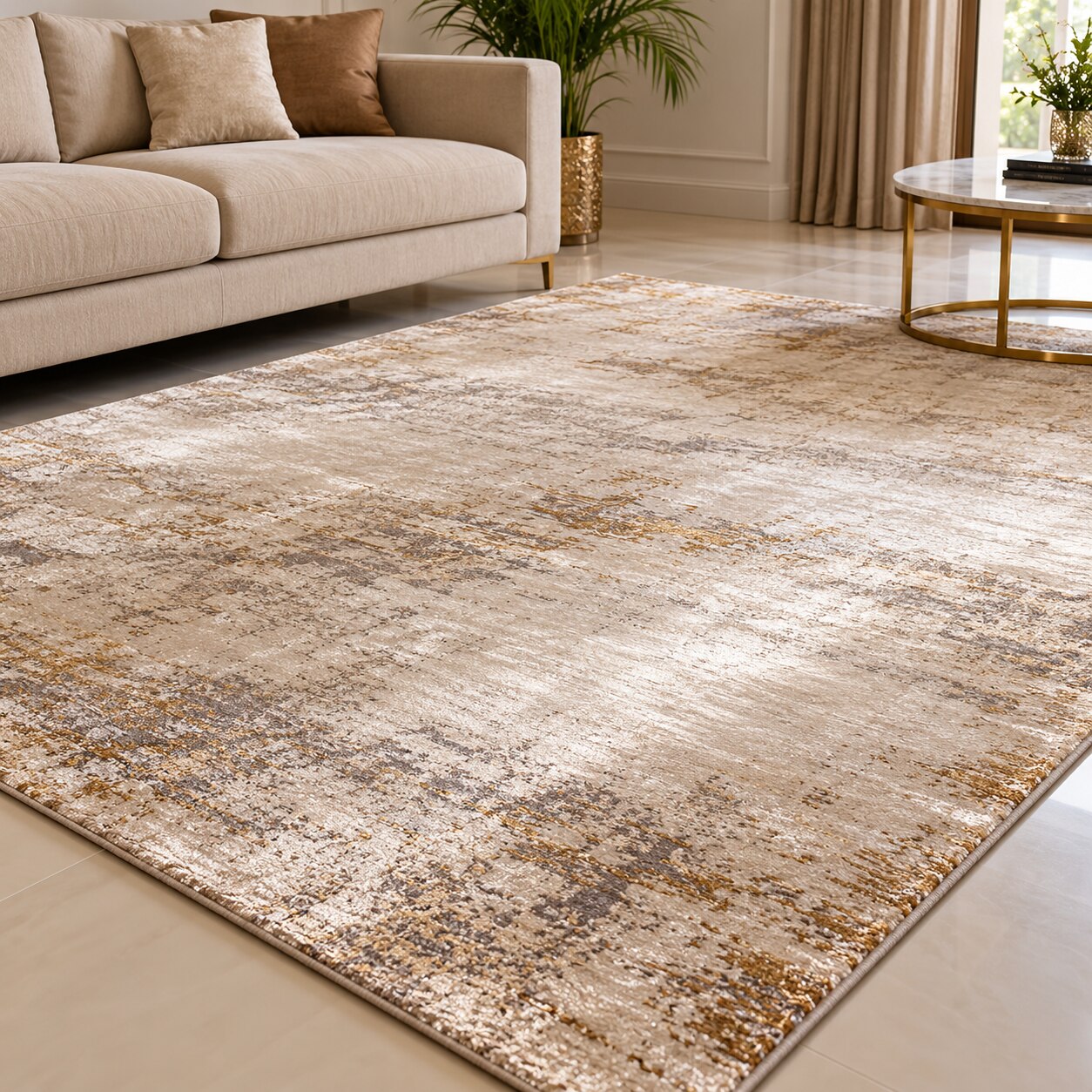
Viscose works best in dry, lightly used rooms where lustre matters more than ruggedness: a formal living room, bedroom, study or low-traffic lounge. Its soft, reflective pile creates a silk-like effect, but moisture can swell fibres, distort the pile, transfer colour and leave permanent texture changes.
A buyer comparing designer carpets in South Delhi should match the fibre to the room’s actual risks:
| Option | Best setting | Choose another fibre when |
|---|---|---|
| Viscose or “viscose silk” | Dry, decorative rooms with controlled humidity and limited foot traffic | The area faces spills, dining use, children, pets, damp cleaning or outdoor moisture |
| Wool | Living rooms, bedrooms and moderate-traffic spaces needing resilience, repairability and easier maintenance | You need the lowest price or a highly glossy, silk-like surface |
| Nylon or polyester | Hallways, offices, rentals and rooms exposed to frequent wear or staining | You prioritise natural fibre feel and nuanced hand-crafted variation |
| True silk | Formal, low-traffic rooms where exceptional fineness and cost are acceptable | The carpet must tolerate daily traffic, moisture or routine spot cleaning |
Treat “viscose silk” as a marketing description, not proof of natural silk. Ask the Delhi showroom to state fibre percentages, pile construction, backing and cleaning limits on the specification sheet.
For a hand-tufted decorative carpet, hand-knotted carpet or machine-made carpet, record the construction in the purchase order. Confirm edge behaviour, dimensional tolerance, repair method and replacement options; appearance alone cannot reveal those differences.
Inspect the sample under real lighting and from every direction
A small swatch can hide directional shading, weak edges and an uneven backing. Request a physical sample large enough to view the pile, reverse construction and edge finishing, then place it on the floor rather than inspecting it only on a counter.
- Turn the sample in four directions. Viscose’s lustre changes with pile direction, so one end can look pale and the other darker after installation.
- View it under daylight, warm LED light and the showroom’s spotlights. Record the approved colour against a retained reference, because sheen and lighting can change the apparent shade.
- Brush the pile both ways. Look for bald patches, streaks, crushed areas, abrupt colour changes and loose fibres that disappear in a small cut piece.
- Fold one corner to inspect backing adhesion, tuft or knot regularity, exposed threads and edge binding. Reject lifting backing, cracked adhesive or an edge that unravels under light handling.
- Smell and examine the sample closely. Persistent chemical odour, dampness, stains or transferred colour on a white cloth require an explanation before approval.
- Check the reverse and finished edges against the quotation’s stated construction, dimensions and backing material.
Ask the viscose silk carpet showroom in Delhi to show a longer production piece or installed reference when the order is large. Confirm pile direction on the installation plan; reversing it can make adjoining sections look like different colours.
Put testing, installation and aftercare into the quotation
Before paying a deposit, make the quotation describe the delivered carpet, not just its pattern and size. A showroom serving designer carpets in South Delhi, including a viscose silk carpet showroom or silk carpet showroom near Delhi, should attach the approved sample and state these terms:
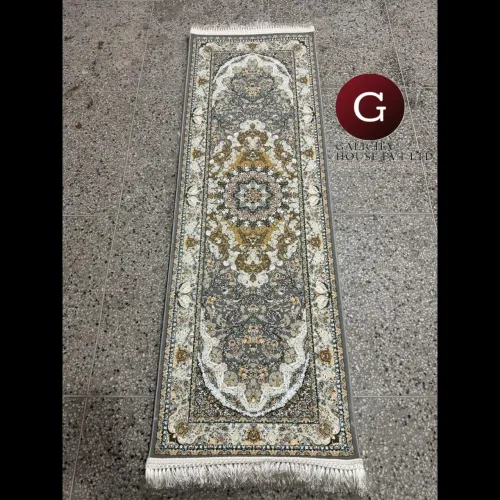
1. Require the fibre percentage, legally applicable fibre name, pile height, total weight, backing, dimensions and dimensional tolerance. The document must identify hand-tufted, hand-knotted or machine-made construction; appearance alone cannot distinguish them. Ask GALICHA HOUSE PVT LTD 8384046294 to record this construction if you are comparing its quotation with another supplier.
2. Require a colour reference retained against the order and approve it under your project’s daylight and warm LED lighting. Record pile direction, because viscose sheen can reverse the apparent shade after installation. Ask for a colourfastness test method and result.
3. Put installation in writing: site measurement, seaming, underlay, edge binding, acclimatisation, door-clearance checks, fitting and the allowed dimensional or seam tolerance. A beautiful roll can fail when a door catches its edge or seams open.
4. Specify aftercare by name: approved cleaning products, maximum moisture, extraction method, drying requirement and whether professional cleaning is mandatory. Water and rubbing can create rings, flatten the pile and move dye.
5. State the remedy for installation damage, stains, loose edges and replacement of a damaged section, including who pays and how a colour match is judged. Generic wool-carpet instructions are not sufficient for viscose.
Related product
 | Viscose Silk Carpet Viscose Silk Carpet Viscose Silk Carpets by Galicha House Pvt. Ltd. Add elegance, luxury, and timeless beauty to your interiors with Viscose Silk Carpets from Galicha... |
Frequently asked questions
What fibre information should a viscose silk carpet specification include?
Ask for the percentage of viscose, true silk and any other fibre, using the legally applicable fibre names. Viscose is regenerated cellulose, also called rayon; silk is a natural protein fibre.
Which construction details matter beyond pile height?
Review the construction method, pile density, yarn weight, backing, edge finishing, dimensional stability and shedding risk. Pile height alone does not predict durability or maintenance needs.
Is viscose silk suitable for every room?
No. Viscose can show water marks, crush under furniture and lose appearance under heavy traffic. Match it to dry, low-traffic rooms, then compare wool, polyester, nylon or silk for the required performance.
How should you inspect a viscose silk carpet sample?
View it in daylight and the room’s installed lighting. Look from both pile directions, walk across it, rub the pile gently and check colour change, shading, pile reversal and visible marks.
What should a carpet quotation include?
Require the quotation to state sample approval, fibre composition, measurements, testing, installation method, underlay, seam treatment, delivery conditions, cleaning instructions, warranty exclusions and aftercare responsibilities.
Keywords