
“Bikaner wool blended” does not describe one fixed performance grade. Delhi buyers need to verify the fibre ratio, construction, backing, traffic rating and installed cost before deciding whether the carpet suits a hotel, office, apartment, showroom or banquet venue. By the end, you will be able to compare specifications, calculate quantities, assess samples and set a practical maintenance and procurement plan.
Key takeaways
- Treat “Bikaner wool blended” as a product description, not a performance grade.
- Compare fibre percentages, pile construction, backing and test data before prices.
- Choose formats and quantities around traffic, furniture layouts and replacement access.
- Request physical samples, written installation scope and itemised quotations from suppliers.
What Bikaner wool blended means in a project specification
“Bikaner wool blended” is not a performance grade: it may identify regional trading identity, wool source, yarn or product range. For a Bikaner wool blended carpet in Delhi, require measurable construction details before comparing prices.
Wool adds visual depth, resilience and moisture buffering; polyamide can improve abrasion resistance, polypropylene can reduce cost and resist some stains, while other synthetics affect dimensional stability and colour retention differently. A blend is not automatically softer, stronger, fire-rated or cheaper than 100% wool.
Request a complete-system fire report because backing, adhesive and underlay change the result.
A wool blended carpet wholesaler should state:
- Wool-to-other-fibre ratio and synthetic fibre type
- Yarn construction, pile type, pile height and pile weight
- Density or gauge, backing, carpet format and total weight
- Intended traffic classification, seam method and installation system
| Format | Practical effect |
|---|---|
| Cut pile | Soft appearance; can shed and show crushing; repairs and seams require planning. |
| Loop pile | Better texture retention; snagged loops complicate repair; installation needs careful handling. |
| Hand-tufted | Flexible custom designs and moderate lead times; shedding and latex-back separation require inspection. |
| Machine-tufted | Consistent production and easier repeat orders; confirm gauge, backing and seam requirements. |
| Flatwoven | Low profile and simpler installation; less cushioning, with limited repair options. |
| Hand-knotted | High repairability and long production lead time; installation needs skilled placement and finishing. |
Confirm whether the quoted “Bikaner wool” describes tested performance or only a trading label. A dense blend can cost more than lightly constructed 100% wool, so fibre percentage alone cannot predict service life.
Where the blend works best in Delhi—and where it creates work
Dense, appropriately constructed blends work well in hotel guestrooms, offices, apartment common areas, corridors, showrooms, reception zones and moderate-use banquet spaces. Choose a tighter pile and suitable backing for turning points and corridors. A wholesale wool blended carpet is a poor choice where water, grease or trolley impact dominates.
- Best fits: guestrooms, offices, corridors, apartment lobbies, showrooms, reception areas and banquet rooms with controlled use.
- Poor fits: wet entrances, outdoor areas, heavy trolley routes, high-spill dining spaces and rooms requiring frequent wet cleaning.
Delhi dust demands entrance matting, a long walk-off distance and frequent vacuuming. Pollution increases soil loading. During monsoon, test the slab and document pH, acclimatisation, adhesive compatibility and drying controls; use ASTM F1869 or ASTM F2170 where specified. Wool absorbs atmospheric moisture without becoming wet, but that does not make it safe over damp concrete.
Air-conditioning can slow drying and spread odours from damp spills, so keep areas closed until fully dry. A Bikaner wool carpet supplier should state the construction, not just the regional label.
| Option | Abrasion resistance | Shedding | Softness | Stain response | Colour retention | Maintenance |
|---|---|---|---|---|---|---|
| 100% wool | High | Possible | High | Moderate | High | Regular vacuuming |
| Polypropylene | Moderate | Low | Moderate | Strong | Moderate | Easier spot cleaning |
| Nylon | Very high | Low | Moderate | Moderate | High | Suits heavy traffic |
| Polyester | Moderate | Low | Soft | Strong | Moderate | Can show crushing |
| Tufted wool | Moderate-high | Possible | High | Moderate | High | Needs controlled cleaning |
| Wool blend | Depends on fibre and density | Possible | Balanced | Depends on synthetic fibre | High to moderate | Requires planned care |
How to select the construction, format and quantity for commercial traffic
Traffic, not showroom softness, should set the construction. Choose a low-to-medium pile with high density, firm yarn twist, durable backing and a colour or pattern that disguises soil for corridors, offices and hotel public areas. Large patterns increase cutting waste; small, irregular patterns hide joins and tracking.
1. Specify the format: rolls or broadloom for wall-to-wall coverage, room-sized rugs for defined zones, runners for corridors and stairs, and custom sizes where columns or furniture interrupt standard dimensions. Place seams away from doorways, turning points and strong sightlines.
2. Measure the net usable area from floor plans and site dimensions. Then calculate ordered area separately: add pattern-repeat matching, cutting waste, borders, stair pieces and spare stock for repairs or future matching. Do not hide these allowances inside one unexplained percentage.
3. Give a wool blended carpet wholesaler floor plans, each room’s dimensions, traffic classification, stair count, delivery access, installation date, subfloor condition, desired format, colour reference and whether later expansion must match. A search for carpet wholesalers in Delhi offering Bikaner wool blended products becomes useful only after these details define the construction.
4. Confirm the sequence in writing: sample approval, colour and construction sign-off, production, transport, site delivery and installation. Treat showroom stock as unconfirmed until the supplier states availability, quantities and dates; production, matching and transport can change the lead time.
How to vet the supplier, sample and installation quotation
Commit only after the supplier turns “Bikaner wool” into a measurable specification. A Bikaner wool carpet supplier or wool blended carpet wholesaler should provide the following in writing:
1. Record fibre composition, construction, pile height, pile weight, backing, colour reference, dimensions, dye-lot or batch number, lead time, replacement availability and the procedure for matching later phased expansion.
2. Inspect the sample for shedding, odour, loose tufts, backing separation, edge finishing, colour variation and dimensional stability after rolling, carrying and unrolling. Reject unexplained changes.
3. Compare quotations beyond the square-foot rate. Separate sampling, cutting, packing, transport, wastage, stair fabrication, seam treatment, underlay, installation and after-sales corrections so exclusions cannot hide in one lump sum.
4. Confirm installation conditions before delivery: a flat, clean subfloor; documented concrete moisture testing under ASTM F1869 or ASTM F2170; pH results; acclimatisation; compatible adhesive; door clearances; seam placement away from vulnerable sightlines and turning points; and protection from construction traffic.
Ask GALICHA HOUSE PVT LTD 8384046294 for construction evidence, lot identification and written replacement terms rather than accepting the product name as a complete description.
For phased projects, state the acceptable colour variation and reserve replacement stock when possible. The useful supplier is the one that identifies what the quotation excludes, who corrects installation defects and how future batches will be matched.
Related product
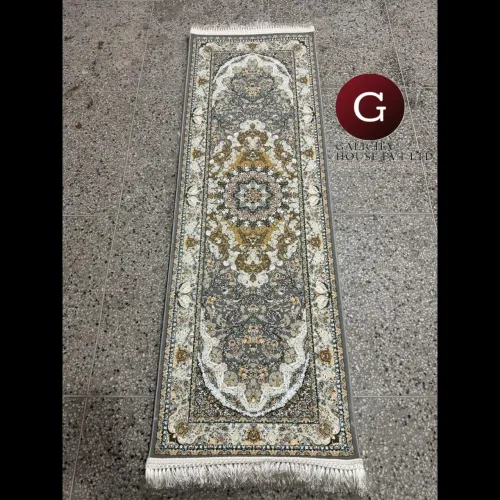
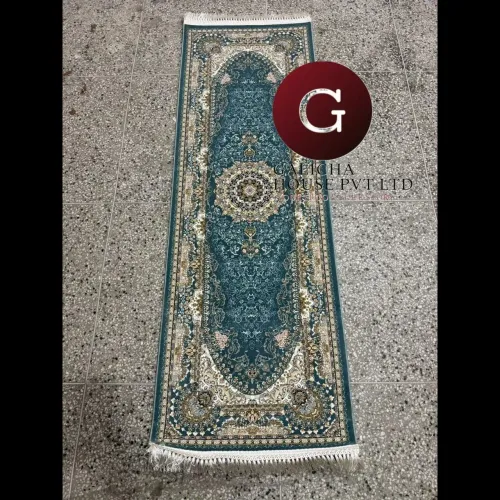
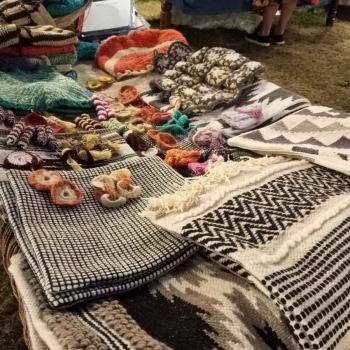 | Bikaner Wool Blended Bikaner Wool Blended Carpets by Galicha House Pvt. Ltd. Experience the unmatched charm of Indian craftsmanship with Bikaner Wool Blended Carpets from Galicha House Pvt. |
How to maintain the carpet and judge total installed value
Judge the blend by its installed cost over the planned service period, not the square-metre purchase price. For a Bikaner wool blended carpet in Delhi, budget for cutting waste, borders, stairs, underlay, installation, cleaning, replacement stock, repairs and future dye-lot matching.
| Option | Strength | Better choice when |
|---|---|---|
| Wool blend | Visual depth with controlled fibre cost | Offices, guestrooms and moderate corridors |
| 100% wool | Softer luxury and repair potential | Premium, carefully maintained interiors |
| Nylon | High abrasion resistance and easier spot response | Heavy commercial traffic |
| Polypropylene or non-woven | Lower-cost, washable or stain-tolerant surface | Persistent spills, outdoor exposure or wet cleaning |
Use entrance mats with adequate walk-off distance, then vacuum frequently with adjustable-height equipment set for the pile. Blot spills immediately; test limited spot treatment in an inconspicuous area first. Do not overwet wool blends, apply unapproved alkaline chemicals, rotary-scrub without construction approval or close rooms until the carpet is fully dry.
Delhi dust demands daily attention in busy entrances, while monsoon odour control requires ventilation and air-conditioning that does not trap dampness. Schedule professional cleaning with documented drying time and check slab moisture before any wet process.
Score every wholesale wool blended carpet option for:
- Traffic and spill exposure
- Area, wastage and installation complexity
- Daily upkeep capacity
- Delivery, replacement-stock and dye-lot risk
- Total installed cost across the planned service period
Choose a more washable synthetic, non-woven or other floor covering when trolley traffic, persistent spills or limited maintenance capacity outweigh appearance and comfort.
Frequently asked questions
What does “Bikaner wool blended” mean in a carpet specification?
It can refer to regional trading identity, wool source, yarn or a product range. Request fibre percentages and measurable construction details before comparing products.
Where does a wool blended carpet work best in Delhi?
It suits projects that value wool’s appearance and comfort, including offices, hospitality interiors and lower-to-moderate traffic areas. Busy entrances, corridors and spill-prone zones require closer review of wear, cleaning and replacement demands.
What should you compare when selecting carpet for commercial traffic?
Compare construction, pile type, density, backing, format, seam requirements and the quantity needed for the floor plan. Match these details to traffic routes, furniture and maintenance access.
What should a Delhi wholesale carpet quotation include?
Ask for the product specification, sample reference, quantity, wastage allowance, delivery terms, floor preparation, adhesive, installation, seams, trims, taxes and warranty conditions.
Keywords